2018年9月11日星期二

Discovery of Rosehip Neurons in Humans

"/

Have you ever wondered why scientists conduct experiments on rodents during clinical trials? Scientists claim that rodents resemble humans in terms of genetics. Scientists from the Allen Institute for Brain Science were focussing their research work to find out which specific brain cells are present in humans but not in rodents. The motive behind this discovery is to find a clue which might further lead to the treatment for neurological disorders.

The research team along with a team from the University of Szeged in Hungary used brain samples from two dead men who donated their bodies for research work. It’s emotions and consciousness that differentiate humans from other animals. Considering this point, the team focussed their work on the outer part of the brain, the cortex region, which controls the consciousness.  
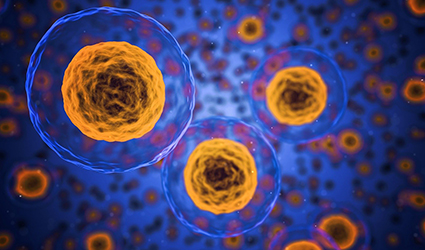
The scientists discovered particular cells in the human brain which is absent in other animals. These specific cells are called ‘rosehip neurons’, otherwise termed as inhibitory neurons, since they inhibit the activity of other neurons. This study was published in the journal named Nature Neuroscience.
Scientists are yet to discover the function of rosehip neurons in humans but they claim that since they are interconnected with other neurons, the rosehip neurons should be involved in the flow of information. The next step is to check whether rosehip neurons are present in any other region. Next, the scientists are eager to detect the role of these inhibitory neurons in neurological diseases.
The post Discovery of Rosehip Neurons in Humans appeared first on Drugdu.com
from Drugdu  https://goo.gl/QgQoHk

Discovery of blood test to predict heart disease & stroke

"/

The scientists from the Baker Heart and Diabetes Institute have devised a quick blood test have identified plasma lipid biomarkers which could easily predict the risk of oncoming secondary heart attack and stroke. These research findings were published in the journal named JCI Insight.

This invention is currently under development. But the team had proposed to conduct the trial in Australia as a customized precision health program during the next 2-3 years. In this trial work, the physician would order this test to detect the risk of heart disease.
Professor Peter Meikle, the lead investigator of this research work, said "While there are thousands of lipids in the blood, our challenge is to identify which ones best predict disease outcomes."
At first, a trial was conducted in America with the limited information based on only two lipid markers. This trial was not yet conducted anywhere.
Professor Peter Meikle said, "Our test will use up to ten lipid markers to better diagnose heart disease. It's a challenging, yet very exciting time. We effectively have the information and are in the process of refining the technology."
Professor Peter Meikle further added, "Once the protocols for a diagnostic heart disease blood test are in place; it will be possible to additional markers for the test to also be used in predicting diabetes and potentially Alzheimer's disease as well. The test will reclassify a patient's risk of heart attack and stroke. It will better identify who within the 'intermediate' risk category are in fact, at higher risk, and help guide physicians in the appropriate treatment of patients."
This blood test is similar to a cholesterol test, but it could be operated out of labs and hospitals.
from Drugdu  https://goo.gl/QgQoHk

Discovery of new toolkit to detect musculoskeletal condition

Ageing is a normal process where the body parts especially joints, muscles and bones would become weaker. The bone density and muscle strength would deteriorate. But what is the exact benchmark that differentiates between normal condition and the diseased condition of musculoskeletal system?

The scientists from the Medical Research Council-Arthrit
"/is UK Centre for Integrated Research into Musculoskeletal Ageing (CIMA) – a collaboration between Newcastle, Liverpool and Sheffield universities, have proposed a toolkit to detect the condition of joints, bones and muscles. These findings were published in the journal named Age and Ageing.

Two biomarkers named CTX and PINP are the indicators of bone health condition. The bone loss or the risk of fractures can be predicted, if the levels of these biomarkers go higher especially in older females. Even the body composition, muscle mass, cartilage damage, and functional ability could be assessed.
Professor John Mathers, from Newcastle University's Institute for Ageing, said "We know that when older people have limited mobility or stop being active altogether it can have a significant, negative impact on their cardio-vascular health, their neurological health and their quality of life overall, increasing the risk of disease. This new toolkit will help us better understand how well the whole musculoskeletal system functions as we age so that we can help people stay physically active and healthy for longer."
Professor Graham Kemp, from the Institute of Ageing and Chronic Disease in University of Liverpool, said "This toolkit is the first systematic effort to evaluate methods for assessing the effects of ageing in the bone, muscle, tendons and cartilage, and to make recommendations for practical use."
from Drugdu  https://goo.gl/QgQoHk